
Website Design and Development Services
Salem Surround builds custom websites that load fast, rank well, and turn visitors into customers. Mobile-first design built to support all your marketing.
Read More
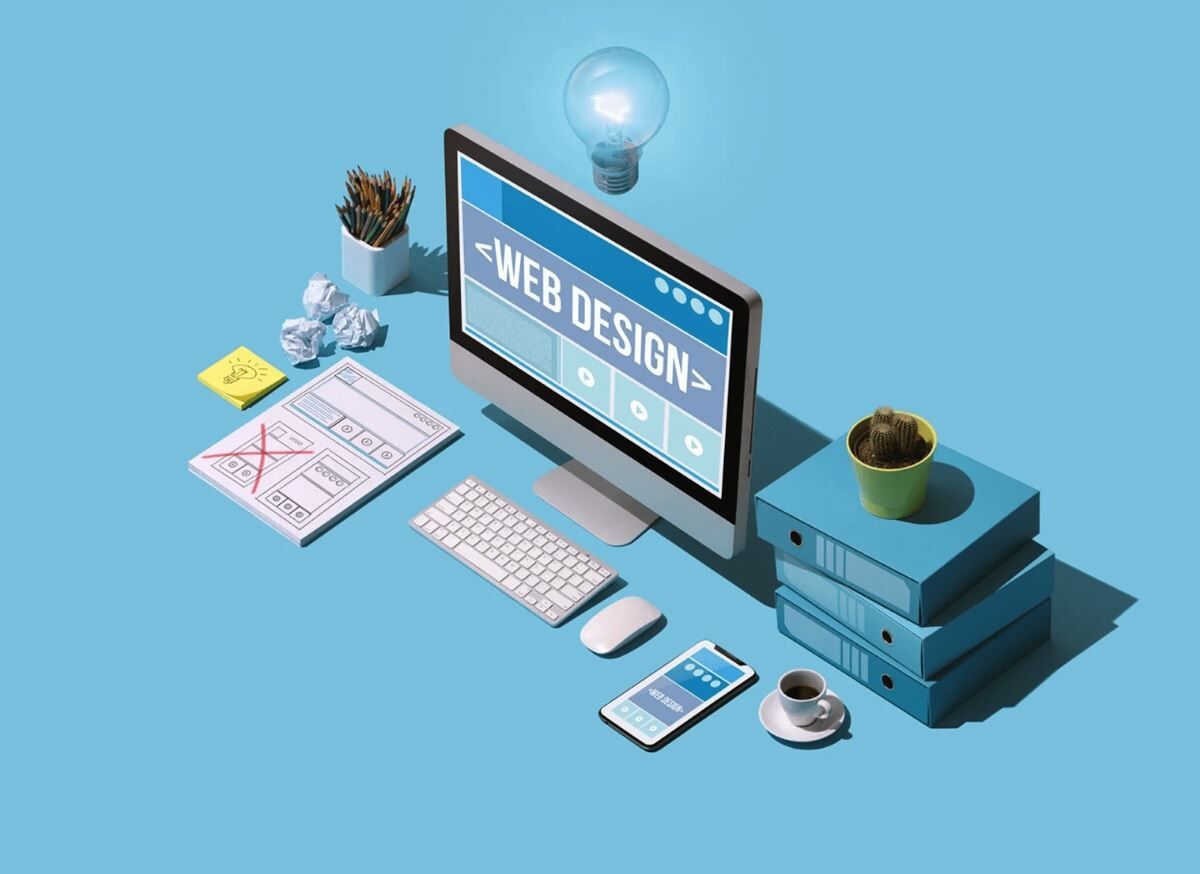
Your website is more than an online brochure. It’s your digital sales rep.
When people search on Google, click from social, or even follow a link from an AI tool, they’re “meeting” your business through your site. A good website can:
A bad one quietly sends people to your competitors.
Here’s how smart web design, UX, mobile-first design, page speed, clear calls-to-action, and SEO work together, and how that foundation also helps you show up more often when people discover businesses through search engines and AI assistants.
User experience (UX) is how it feels to use your site. If visitors have to work to figure out who you are or what you do, they won’t stay long.
Strong UX answers, fast:
Practical UX tips that boost conversions and help search engines understand you:
Good UX doesn’t just “look nice.” It helps turn website traffic into real conversations and gives search engines clear signals about what your business actually offers.
The Ultimate Guide to Web Design
Most customers first discover you on a phone, not a desktop. That includes visitors coming from Google, social media, maps, and links surfaced in AI tools.
Mobile-first web design means your site is planned for the small screen from the beginning—not just “shrunk down” later.
Key mobile-first elements:
Why this matters for SEO and AI:
If mobile visitors bounce quickly because your site is clunky or hard to use, it sends negative signals to search engines. Over time, that can hurt your visibility in both traditional search results and AI-powered experiences that rely on those signals.
A mobile-first site keeps visitors engaged longer, which supports better performance across the board.
Learn More About AI and Digital Marketing
Slow sites lose visitors—and opportunities. Page speed affects:
Common reasons websites are slow:
Improving page speed can be as simple as:
A fast website keeps people on the page long enough to read your message, take action, and send positive engagement signals that support your long-term search visibility.
Even with great design and SEO, your website won’t deliver results without clear calls-to-action (CTAs).
A CTA is a specific prompt that tells the visitor what to do next, such as:
Strong CTAs are:
When someone arrives from Google or from an AI-generated link, they’re usually looking for a solution, not just information. Clear CTAs turn that intent into measurable results.
Good web design and search engine optimization (SEO) are no longer separate. They’re two sides of the same coin.
Design makes your website usable. SEO makes it discoverable. Together they help you:
How design and SEO work together:
You can’t “SEO your way” directly into every AI answer. Large language models and AI-powered search experiences don’t work exactly like traditional blue-link rankings.
But they still rely heavily on high-quality, well-structured, authoritative websites as source material.
A strong site helps by:
In short:
You don’t optimize only for AI. You build a modern, fast, user-friendly website with strong SEO. That foundation gives you the best chance to be included when search engines and AI tools decide which businesses to highlight.
At Salem Surround, we help businesses create websites that act like true digital sales reps:
If you’re not sure whether your current site is helping or hurting your visibility, it may be time for a fresh look at your web design and SEO strategy.
Salem Surround can help you turn your website into a modern, high-performing sales rep—ready for today’s searchers and tomorrow’s AI-driven experiences.
Salem Surround builds custom websites that load fast, rank well, and turn visitors into customers. Mobile-first design built to support all your marketing.
Read More
Get web design with Salem Surround to grow your digital presence!
Read More
Ready to turn clicks into customers? With expert web design, Salem Surround will help you attract leads, boost conversions, and make your brand unforgettable.
Read More