

7 Steps to Choosing the Right Digital Marketing Strategy for Your Small Business
Digital marketing is not optional in today’s world. Virtually every business that serves consumers has a digital presence. However, picking the right digital marketing strategy can feel like throwing darts blindfolded. Too many options, too many variables, and not enough clarity on what truly works for your goals. But - Most small businesses fail with their digital marketing not because they don’t try hard enough but because they’re focused on the wrong ideas.
That’s about to change.
By the time you finish reading this article, you’ll not only have a better sense of the perfect strategy for your business, but also be asking questions that force you to level up.
Here are the 7 steps to choosing the right digital marketing strategy for your small business.

Get Clear About Your Goals
You’ve heard it before, “Start with clear objectives.” But here’s the question small business owners fail to ask: “Are my goals actionable AND tied to revenue?”
It’s not enough to say, “I want to grow brand awareness” or “I need more leads.” Concrete goals sound like, “I want to increase our qualified inbound leads by 25% in the next 90 days, measured by closed deals in our CRM.”
Know Your Target Audience
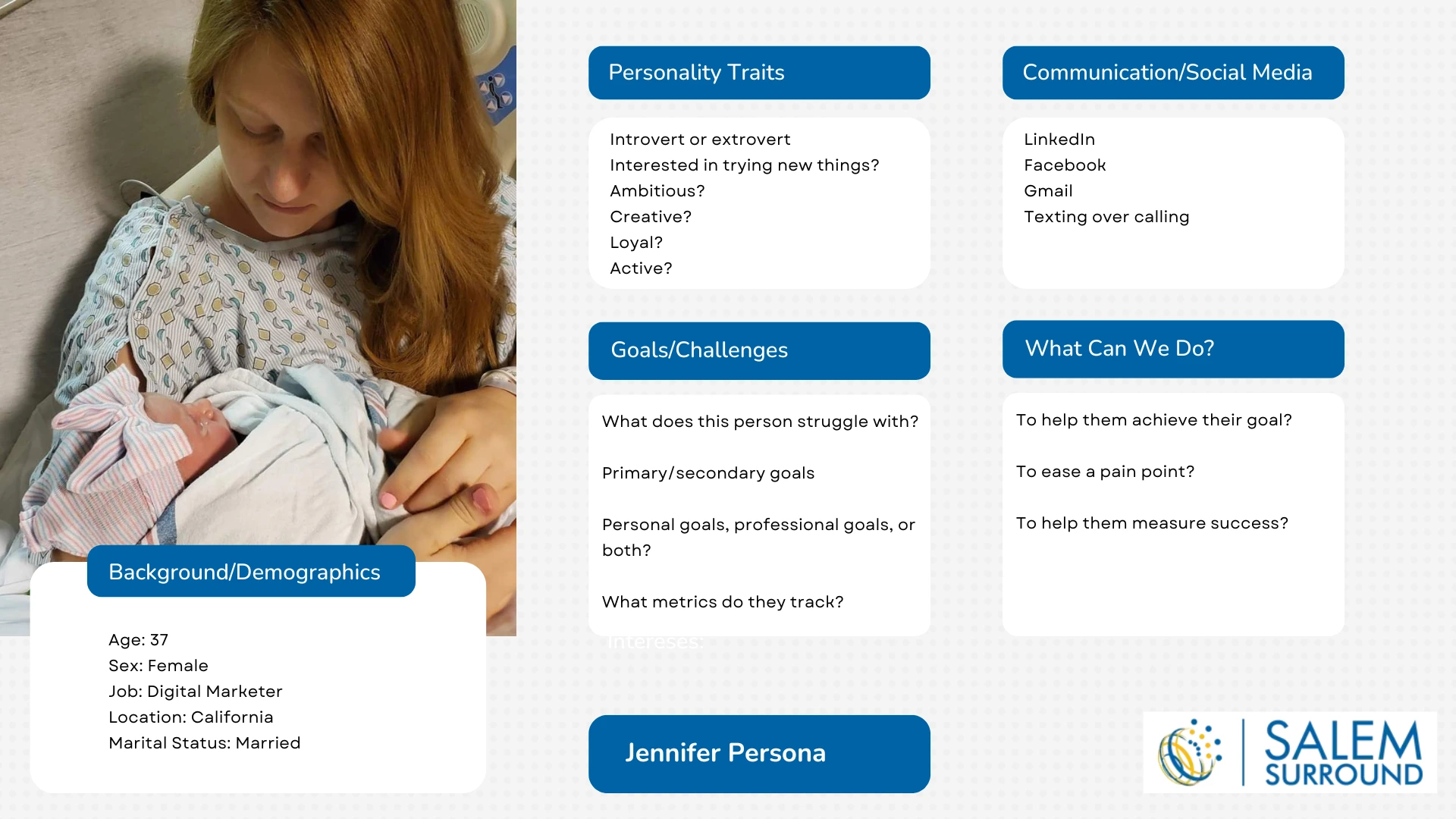
You think you know your audience? Most businesses only assume they do. Building a buyer persona is the foundation of any solid digital marketing strategy. A buyer persona is a fictional profile based on real data about who your customers are, what makes them tick, and the problems they have. Here’s what should be in a buyer persona:
- Demographics that pinpoint who your audience is (age, location, interests).
- Pschographics that tell you their why (values, attitudes, pain points).
- Behavior insights that explain how they engage (where they spend their time online or what influences their decisions).
Why does knowing your target audience on this very specific level matter so much? Because when you deeply understand your audience, your entire business is sharper. Your content converts better. Your ads hit harder. Your emails get clicked instead of ignored.
Not to mention, the better your understanding of your customer, the better decisions you can make elsewhere within your business. Truly knowing your audience helps with digital marketing, but it also helps with product development and sales strategies.
How to Build a Buyer Persona
To build a buyer persona, follow these steps:
- Define Demographics: Identify key characteristics like age, gender, location, family status, and education level.
- Understand Professional Status: Include job title, industry, work arrangement, seniority, and income (especially important for B2B marketing).
- Explore Psychographics: Dive into values, beliefs, lifestyles, and attitudes to understand motivations and behaviors.
- Identify Influences and Information Sources: Pinpoint where your audience gets their information, such as favorite blogs, social networks, or trusted influencers.
- Address Pain Points: Understand the challenges and frustrations your audience faces to create solutions.
- Map the Purchasing Process: Analyze their role in decision-making, purchase frequency, and barriers to buying.
For a head start, you can find plenty of free buyer persona templates online (or, keep scrolling to see ours).
Prioritize Your Options Like Your Budget Depends on It (Because It Does)
There are multiple options you can use to achieve your digital marketing goals. Most strategies will include more than one of these. But, what’s most important here is you need to pick your lanes based on return on investment (ROI), not just what’s trending right now. Here’s what you need to ask yourself:
- What’s the priority - brand awareness or revenue?
- Which channels will scale without exhausting our resources?
- Are we choosing this option because it works or because “everyone else is doing it?”
Understanding each option and how they can best be used is how you prioritize. Here’s a look at some of the most common digital marketing tactics:
Display advertising refers to ads hosted on third-party sites, like banner ads or pop-ups. It’s an effective way to target specific personas in your market because you can strategically place your ads on sites your audience actually visits. Want to reach outdoor enthusiasts? Pay for your ads to show up on popular hiking blogs. Trying to connect with tech-savvy millennials? Aim for placements on the websites they frequent.
Search Engine Optimization (SEO) is all about getting your website to rank higher in search results when potential customers search for keywords related to your brand. To do this effectively, you need a solid SEO strategy that includes identifying the right keywords, creating content that revolves around them, and using high-quality internal and external links. It sounds like a lot of work, but did you know that the top organic search result has a click-through rate (CTR) that’s about 19x higher than the top paid result? That’s a pretty good reason to do all that work.
Pay-Per-Click (PPC) is another way to get your site to the top of search results when customers look for specific keywords. Unlike SEO, which builds organic rankings, PPC lets you pay for prime placement. By outbidding competitors for a keyword, your website shows up in the advertised section above the organic results on search engine pages. It's a pay-to-play strategy to grab your audience's attention fast, and it’s a quick win if you have the budget.
Email marketing, as the name suggests, is all about collecting email addresses from current and potential customers and using them to promote your products or services. The key to success lies in targeting your campaigns—tailor your emails to specific audience segments for the best results.
There are over 5 billion social media users worldwide, and your small business could connect with SO many of them. Social media marketing uses your social media profiles to connect with customers and build relationships. It’s a versatile tool for driving traffic to your website, sharing advertisements, and boosting brand awareness. On top of that, social media lets you engage directly with your audience, helping you create a strong brand identity that fosters loyalty in your target market.
Actionable Insight: If you’re on a tight budget, focus on one or two channels where your audience spends most of their time. Then go deep, not wide.
Budget, Budget, Budget
Budgets aren’t just about how much you can spend. They’re also about defining what not to do. Trying to spread $5,000 across social media, content creation, SEO, and ads might seem like you’re covering all the bases, but in reality, it’s often a recipe for underwhelming results. Instead of stretching your resources too thin, focus your budget on the areas where it’ll create the biggest impact for your goals. It’s better to do one or two things really well than to dilute your efforts across too many strategies.
Use Your Analytics
Analytics are a powerful tool, but only if they lead to action. Too often, small businesses get stuck analyzing metrics like "awareness" without considering their direct impact on growth. Instead, ask yourself: What’s the one metric that drives your business forward?
Data shows that 70% of customers expect personalized interactions, yet many brands overlook optimizations that align with this.
The takeaway? Focus on the metrics that matter most. If you’re running PPC campaigns, for instance, don’t stop at measuring impressions or click-through rates—look at conversion rates and customer lifetime value. Use your data to make strategic adjustments.
Continuously Test and Refine Your Strategy
Digital marketing strategies are never “set it and forget it.” Consumer behavior evolves, algorithms change, and new tools emerge. Testing different approaches and refining your strategy will ensure you stay ahead of the game.
Best Practices for Testing:
- A/B Test Your Ads to see what resonates with your audience.
- Experiment with posting times on social media.
- Continuously measure key performance indicators (KPIs) like conversions and clicks.
- Stay open to pivoting if your current approach isn’t delivering results.
Consider Working with a Digital Marketing Agency
Choosing the right digital marketing strategy doesn’t have to feel overwhelming. By defining your goals, understanding your audience, and making data-informed decisions, you can create a winning approach for your small business.
Want to simplify the process even further? Get in touch with our team of experts for customized guidance and tools to engage your audience and grow your brand effectively.
Digital Marketing Strategy

Top Digital Marketing Agency in Sacramento
Salem Surround is a leading digital marketing agency in Sacramento, helping businesses grow with expert digital advertising strategies. From SEO to social media, PPC, and display ads, we deliver results-driven marketing solutions.
Read More
Digital Marketing for Entrepreneurs: What You Need to Know
Hey entrepreneurs! Want to grow your business online? Discover the best marketing strategies, key benefits, and why a strong digital strategy matters!
Read More
10 Powerful Digital Marketing Tactics Every College Needs to Drive Enrollment
Want more students? Salem Surround helps colleges boost enrollment with powerful digital strategies like geotargeting, PPC, social media, and retargeting—getting you in front of the right students fast!
Read More
Should I Hire a Digital Marketing Agency?
Think digital marketing is a luxury your small business can skip? Think again. With shoppers researching and customers connecting online, a strong digital presence isn’t optional. It’s essential. A digital marketing agency brings expertise, consistency, and data-driven strategies to help your business get found, stand out, and grow. Stop guessing and start seeing real results.
Read More