
Faith Based Digital Marketing Guide 2026: How To Reach Christian Audiences Online
Conservative Audience
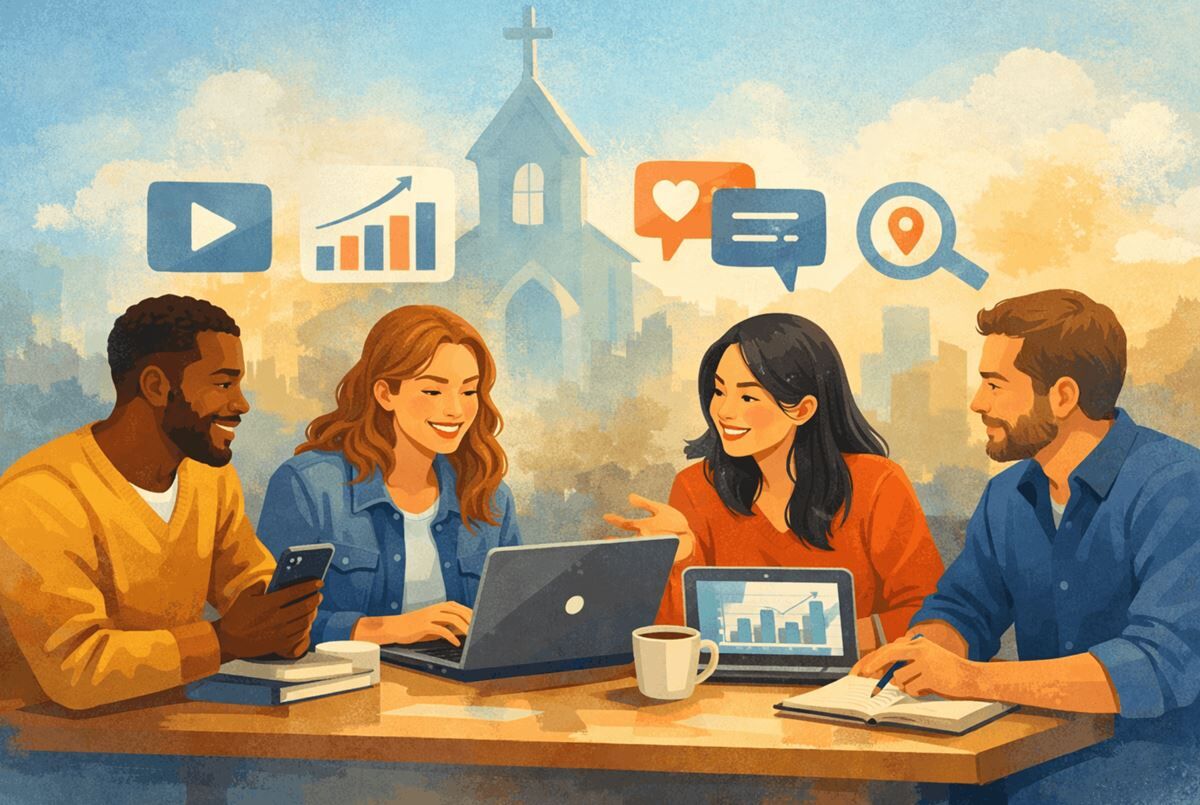
How To Reach, Serve, and Grow Christian Audiences Online
Faith based digital marketing in 2026 is about more than getting clicks. It is about connecting the right message, the right mission, and the right people in the right online spaces.
If you lead a church, Christian school, ministry, nonprofit, or values aligned business, your audience is already online. They are searching for answers, scrolling social media, watching videos, listening to Christian radio and podcasts, and visiting faith based websites every day.
This guide will help you build a Christian digital marketing strategy that:
- Reaches Christian audiences where they are already active
- Respects and reflects your faith and values
- Turns online attention into real world impact
You can use this as a cornerstone content piece on your website to support SEO, AI search experiences, and your overall content strategy in 2026.
What Is Faith Based Digital Marketing
Faith based digital marketing is a marketing strategy that intentionally focuses on Christian and faith minded audiences.
It brings together:
- Clear, mission driven messaging rooted in your beliefs
- Digital channels where Christians already read, watch, listen, and scroll
- A long term plan to move people from first touch to real relationship
In practice, that means using search, social media, email, display ads, video, connected TV, Christian radio, and podcasts in a coordinated way to point people to your ministry, school, nonprofit, or business.
The difference is that every part of your plan is aligned with your faith, your mission, and the unique expectations of Christian audiences.
Why Faith Based Digital Marketing Is Different
Marketing to Christians is not the same as marketing to everyone.
Here are four key differences.
1. Mission before metrics
Results matter, but most faith based organizations care about more than transactions. You care about changed lives, spiritual growth, and long term relationships. Your marketing should support those goals, not compete with them.
2. Higher expectations of trust
Many Christians place deep trust in their pastors, ministries, and faith based media sources. When you show up inside that ecosystem, they expect honesty, integrity, and clarity. If your message is manipulative or confusing, you can lose trust quickly.
3. Context and environment
Where your message appears says as much as what it says. Ads that appear on trusted Christian radio stations, Christian news and teaching sites, or Bible and devotional apps feel very different from random placements across the open web.
4. Relationship over one time response
Healthy Christian digital marketing treats people like people, not data. You are building a relationship over time. The goal is to walk with them from first awareness to deeper engagement and long term commitment.
Step 1: Clarify Your Mission, Audience, and Goals
Strong faith based digital marketing starts with clarity.
Before you choose channels or write creative, answer three questions.
Who are we called to reach right now
Examples:
- Families searching for a new church home
- Parents comparing Christian schools in their area
- Donors with a heart for a specific cause or region
- Believers who want solid Bible teaching or Christian news
- Values driven consumers who prefer faith friendly brands
What do we want them to do next
Examples:
- Visit a specific landing page or the main website
- Sign up for a devotional, newsletter, or download
- Register for an event, open house, or campus visit
- Start giving, become a monthly supporter, or sponsor
- Request a consultation, quote, or appointment
How will we measure success
Examples:
- New email subscribers and contact records
- Online gifts, pledges, and donor activity
- Event registrations and checked in attendance
- Booked tours, meetings, or consultations
- Inquiries from parents, patients, or clients
Write this down in simple language. Your mission, your audience, and your goals will shape every other decision you make.
Step 2: Understand Your Christian Audience Online
To reach Christian audiences online, you have to understand how they behave online.
Christians are not a single demographic. Within your faith based audience you may have:
- Gen Z and young adults
- Millennials and young families
- Gen X leaders and business owners
- Boomers and retirees
They also have different online habits:
- Some prefer long form teaching, articles, and sermons
- Some love short form video, reels, and stories
- Many listen to Christian radio, streaming, and podcasts
- Most use email to stay connected to ministries and schools
Create a simple audience profile that captures:
- Age range and life stage
- Key spiritual and practical needs
- What they are worried about or praying about
- Where they already consume Christian content
- What kind of content they naturally click and share
You can develop more than one profile. For example, you may have one profile for parents and one for donors, or one for students and one for pastors.
Connect With the Right Audience
Step 3: Choose Your Faith Based Digital Marketing Channels
In 2026, the most effective Christian marketing strategies use several channels together. Here are the core channels to include and how they work.
Search and SEO for Christian Organizations
When someone searches for “Christian school near me” or “Bible teaching on anxiety,” you want your content to appear.
Search and SEO help:
- Local audiences find your church, school, or practice
- Donors find your organization when they search for causes
- Visitors find practical, biblical answers to their questions
To support SEO in 2026:
- Build helpful, in depth content that directly answers common questions
- Optimize your pages for natural language queries and AI overviews
- Maintain accurate local listings and Google Business Profile information
- Use structured headings and clear internal links between related pages
Social Media Marketing for Christian Audiences
Social platforms are where Christians share stories, ask for prayer, and stay updated.
Use:
- Facebook and Instagram to reach families, donors, and community members
- TikTok, Reels, and YouTube Shorts to reach younger audiences
- LinkedIn to connect with Christian professionals, donors, and leaders
On social media:
- Share stories of life change and real people
- Post short, encouraging content people will save and share
- Promote upcoming events and then share highlights afterward
- Invite people to take the next step and link to your site
Email Marketing for Faith Based Organizations
Email lists are one of the most valuable digital assets for ministries, schools, and nonprofits.
Use email to:
- Send devotionals, sermon recaps, and impact updates
- Keep donors informed and encouraged
- Nurture relationships with prospective families, students, or clients
- Guide new contacts through a clear next step journey
Focus on value first. If your email content is consistently useful, uplifting, and honest, people will keep opening.
Display Advertising on Christian Websites and Apps
Display ads let you visually present your message across a network of websites and apps.
Christian display networks and placements can:
- Put your message on Bible, devotional, and Christian news sites
- Reach visitors on Christian radio station websites and apps
- Support fundraising, enrollment, and event campaigns
Display advertising is especially helpful when you want to:
- Introduce your ministry or brand to new audiences
- Stay visible during key seasons like back to school or year end
- Support radio and podcast campaigns with matching digital creative
Christian Radio, Streaming, and Podcasts
Christian radio and audio are still powerful in 2026. Many Christians listen for hours every week.
You can:
- Sponsor local or national Christian radio programs
- Run spots or mentions on teaching, talk, and music shows
- Sponsor or advertise on Christian podcasts that reach your audience
Audio builds long term familiarity. When listeners hear about you regularly from voices they trust, they are more likely to respond when they see your message online.
Video and Connected TV for Faith Based Storytelling
Video helps people see and feel what you do.
Ideas:
- Short testimony videos and story spotlights
- Campus tours, ministry recaps, or event highlight reels
- Short Bible teaching clips or practical faith tips
With connected TV and streaming placements, you can reach Christian households who stream content on their TVs and devices.
Learn More About our Digital Marketing Services
Step 4: Map a Christian Digital Marketing Funnel
Think about your marketing as a journey rather than a single message.
A simple faith based funnel looks like this.
Stage 1: Awareness
People hear about you or see you for the first time.
- Christian radio and podcasts
- Display ads on Christian websites and apps
- Social media ads and short videos
- Connected TV and streaming placements
Stage 2: Interest
They click or search to learn more.
- Landing pages that clearly explain what you do
- Blog posts and resource pages that answer real questions
- Sermon archives, podcast episodes, or video libraries
- Stories, testimonials, and virtual tours
Stage 3: Action
They take a clear next step.
- Plan a visit to your church
- Register for an event or campus tour
- Request more information or a consultation
- Start a recurring gift or make a one time donation
Stage 4: Relationship
They stay connected and grow with you.
- Email journeys and devotionals
- Ongoing social content and community groups
- Online Bible studies or content series
- Donor, student, or member care campaigns
When you map your funnel, look for gaps. For example, you may have strong awareness and a good website but no clear email follow up. Or you may have a great email list but very little top of funnel awareness.
Step 5: Create Messaging That Honors Christian Audiences
Your messaging should feel both strong and sincere.
Principles for faith based creative:
Lead with mission, not hype:
Explain why your organization exists and who you serve. Show the real people and real impact behind the numbers.
Be clear and specific:
Use simple language that anyone can understand. Avoid buzzwords and jargon. Say what you do, where you do it, and who you help.
Handle Scripture and theology carefully:
If you quote Scripture or refer to doctrine, be accurate and thoughtful. Remember that you are speaking to people who take their faith seriously.
Reflect the diversity of the Church:
Use images and examples that show different ages, cultures, and backgrounds. Make sure people can see themselves in your story.
Invite, do not pressure:
Use friendly calls to action like:
- Plan your visit
- Get your free resource
- Learn more about our mission
- See how you can get involved
- Schedule a conversation
The goal is to invite people into what God is already doing, not to push them into a quick decision.
Step 6: Measure Digital Results and Ministry Impact
To improve your Christian digital marketing over time, you need to measure both online behavior and real world outcomes.
Track digital performance:
- Impressions, clicks, and click through rates
- Time on site, bounce rate, and pages per session
- Form submissions, calls, and chat inquiries
- New email subscribers and contact records
- Online gifts, registrations, and inquiries
Also track ministry and organizational impact:
- First time visitors and returning families
- Event registrations and actual attendance
- New students enrolled or clients served
- New donors, partners, and volunteers
- Next steps like small group signups or serving commitments
Connect these data points to your campaigns. Ask:
- Which channels are driving the most meaningful actions
- Which messages and offers are resonating
- Which campaigns are leading to long term engagement
Use this insight to refine your strategy, creative, and channel mix.
Step 7: Work With Partners Who Understand Faith Based Marketing
You do not have to build a Christian digital marketing strategy alone. The right partner can save you time and help you reach Christian audiences more effectively.
Look for partners who:
- Understand Christian and conservative audiences and culture
- Have access to large faith based digital and audio networks
- Offer transparent reporting and regular optimization
- Respect your mission, theology, and brand guidelines
Salem Surround and Surround Faith connect ministries, schools, nonprofits, and values aligned businesses with:
- Millions of Christian listeners, viewers, and readers
- Christian radio, podcasts, and streaming platforms
- Christian websites, station sites, and apps
- Integrated plans that surround your audience across channels
Next Steps for Your Faith Based Digital Marketing Strategy
If you want to reach Christian audiences online in 2026, start with these steps:
- Clarify your mission, audience, and goals
- Understand how your Christian audience behaves online
- Choose a mix of channels that fit your people and your message
- Create honest, mission centered content and creative
- Measure both digital results and real world impact
- Partner with experts who understand Christian and conservative audiences
When you do this consistently, your digital marketing will not just look better. It will serve people better, support your mission, and help you connect with the Christian audiences you are called to reach.